

 Asset Publisher
Polish hit
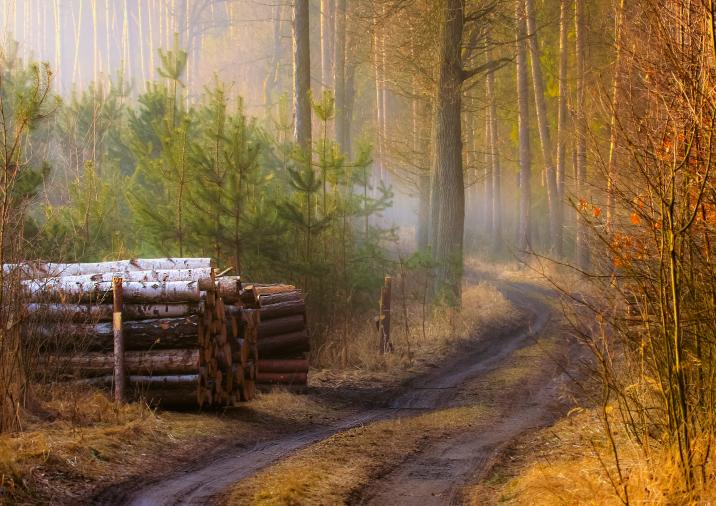
Polish products made of wood – furniture, window and door frames, yachts or paper and packages – these are real hits of the market.
Our country is the is the 10 largest producer of furniture and the 4 largest furniture exporter in the world. Wood industry sells abroad goods of its approximate value of 45 million zl annually, what constitutes 10 % of the whole Polish export. The measurement of the essential role of forestry and timber based sector in our management is that, it works out about 2 % of GDP (Gross Domestic Product). Not only it gives work to thousands of people, but it is also an engine of investment and of development of innovative technologies. From the beginning of transformation, it drew foreign capital of its value over 30 million zl.
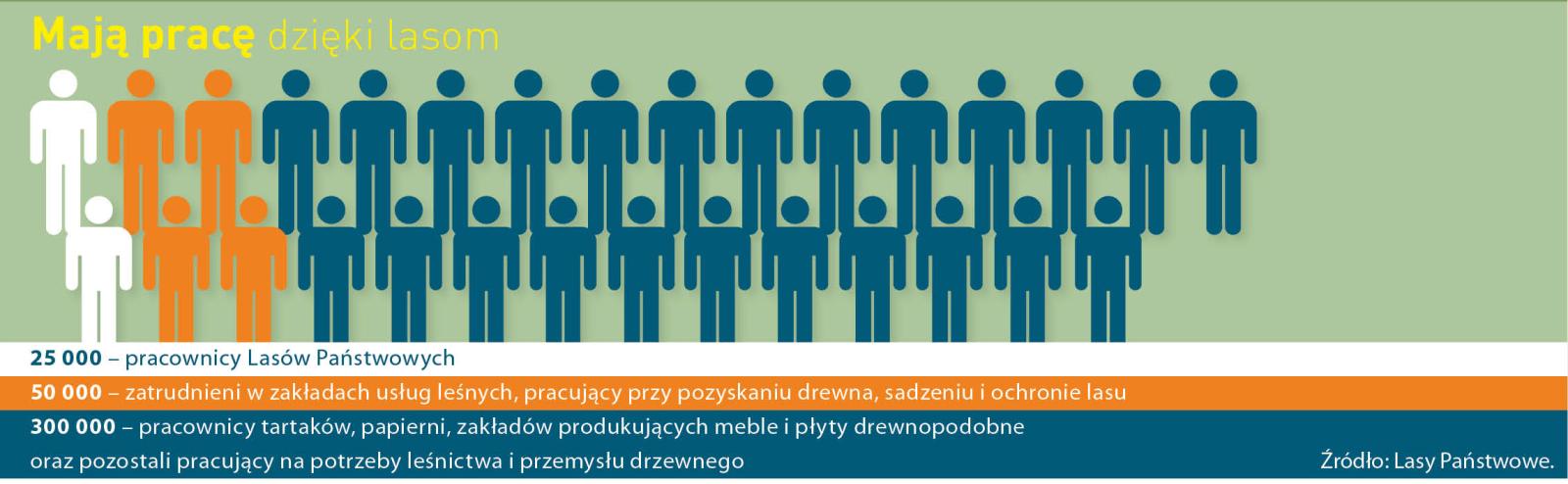
Forest gives work
The State Forests belong to the leading group of employers in Poland. However, both forest and timber provide for workers with several thousand of Forestry Services Companies, which within the contract of mandate deal with, among others, planting trees and their nursing, wood logging and its transportation. And above all cooperate with people employed in several dozen thousand of companies creating wood and furniture industry and paper manufacture. Summing up, it gives as many as 375 thousand of Poles altogether. Statistically, every hundred inhabitant of our country works in the sector connected with forestry and wood processing.
Among private companies of forestry and timber based sector, there are also big companies with the share of foreign capital , and big and medium sized indigenous companies, but 9 of 10 companies in this sector are small plants employing less than 10 people. These are often family companies, cultivating multigenerational traditions connected with forestry and working in less developed regions of the country. There, forestry and wood industry, as well as agriculture constitute the basis of maintaining hundred thousand of families. As many as 600 % of all working places in the forest and wood based sector are located within rural areas.
Forest and wood based sector works out about 2 % of Polish GDP (Gross Domestic Product).
- 2 % of Polish GDP works out forest and wood based sector .
- Poland takes 4 place as the largest furniture exporter and 10 place as the largest producer of furniture.
- 50 % of paper and 9 of 10 pieces of furniture produced in Poland is exported abroad
- The value of annual export of Polish goods of wood and furniture industry and paper manufacture equals 45 billion zl (it is 10 % of the whole export).
- 30 billion zl , as direct foreign investments, have been drown since 1990 by Polish wood based sector (5,5 % of all).
- 100 kg of paper is used annually by statistic Pole (an average of UE is 160 kg, for USA – 230 kg).
Source: E. Ratajczak „Potencjał gospodarczy przemysłów opartych na drewnie i perspektywy ich rozwoju (Economic performance of wood – based industries and perspectives of their development)", GUS, Warszawa 2012.
Asset Publisher


Asset Publisher
Hodowla lasu
Hodowla lasu
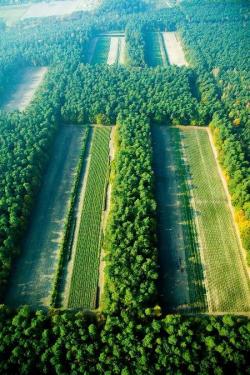 Szkółka Odolion (fot. Nadleśnictwo Gniewkowo)
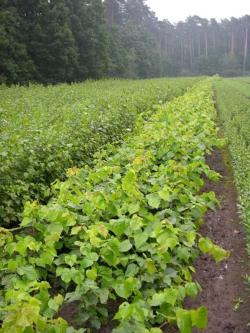 Sadzonki Lipy w szkółce (fot. Nadleśnictwo Gniewkowo)
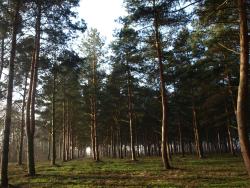 Plantacja nasienna (fot. Nadleśnictwo Gniewkowo)
Współcześnie niewiele lasów ma charakter naturalny. Zdecydowana większość została posadzona i wypielęgnowana ręką człowieka.
Podstawowym zadaniem hodowli lasu jest zachowanie i wzbogacanie lasów istniejących (odnawianie) oraz tworzenie nowych (zalesianie), z respektowaniem warunków przyrodniczych i procesów naturalnych. Hodowla lasu obejmuje zbiór i przechowywanie nasion drzew, produkcję sadzonek na szkółkach, zakładanie oraz pielęgnację i ochronę upraw leśnych oraz drzewostanów.
Hodowla lasu korzysta z dorobku nauk przyrodniczych, m.in. klimatologii, gleboznawstwa, botaniki czy fizjologii roślin. W pracach hodowlanych leśnicy dążą do dostosowania składu gatunkowego lasu do siedliska. Dzięki temu las jest bardziej odporny na zagrożenia.
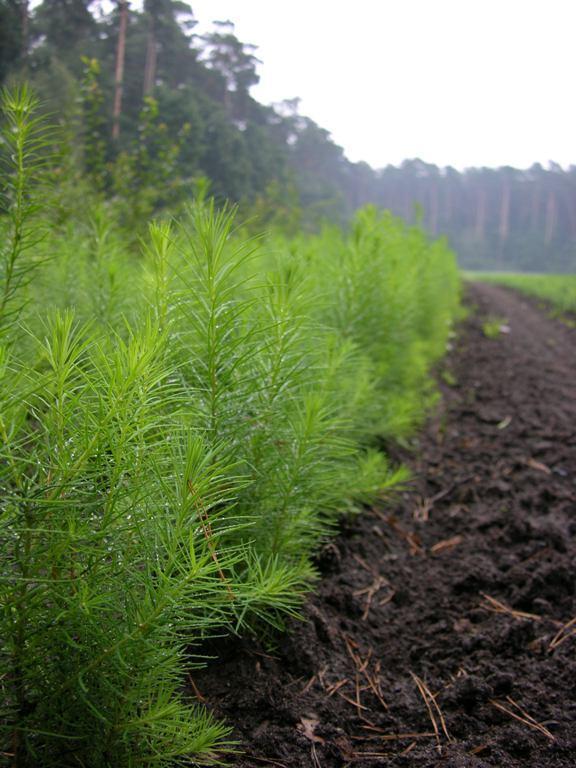
Las, jeśli nie powstał w sposób naturalny, jest sadzony przez leśników. Sadzonki hoduje się w szkółkach. Uprawy są poddawane zabiegom pielęgnacyjnym i ochronnym. Mają one stworzyć optymalne warunki wzrostu dla drzew najbardziej pożądanych w składzie gatunkowym rosnącego drzewostanu. Ostatnim elementem hodowli jest wycinka drzew dojrzałych, tak aby możliwe było odnowienie lasu, w sposób optymalny dla wymagań rosnących gatunków drzew.
Przeciętnie roczne zadania z zakresu hodowli lasu kształtują się w Nadleśnictwie Gniewkowo na poziomie:
- odnowienia i zalesienia – ok. 110 ha;
- pielęgnacja – ok. 190 ha;
- poprawki – ok. 10 ha;
- czyszczenia wczesne – ok. 100 ha;
- czyszczenia późne – ok. 115 ha;
- trzebieże wczesne – ok. 312 ha.
Nadleśnictwo Gniewkowo posiada różnorodną bazę nasienną, która zaspokaja niemal wszystkie jego potrzeby. Na terenie nadleśnictwa znajdują się następujące obiekty gospodarki nasiennej:
- drzewa mateczne – 5 drzew doborowych brzozy brodawkowatej;
- plantacje nasienne:
- sosny pospolitej: 16,04 ha;
- daglezji zielonej: 2,80 ha;
- olszy czarnej: 5,90 ha;
- wyłączony drzewostan nasienny brzozy brodawkowatej o powierzchni 7,00 ha;
- gospodarcze drzewostany nasienne:
- sosny pospolitej: 51 ha;
- brzozy brodawkowatej: 18 ha;
- źródła nasion dla następujących gatunków:
- klon zwyczajny;
- klon jawor;
- grab pospolity;
- lipa drobnolistna;
- olsza szara.
Nadleśnictwo Gniewkowo posiada szkółkę zespoloną położoną w Leśnictwie Odolion, której zadaniem jest produkcja sadzonek. Szkółka o powierzchni produkcyjnej 666 arów przeciętnie rocznie produkuje niemal 2 mln sztuk sadzonek na potrzeby przede wszystkim własne, ale także innych nadleśnictw i właścicieli lasów prywatnych.